

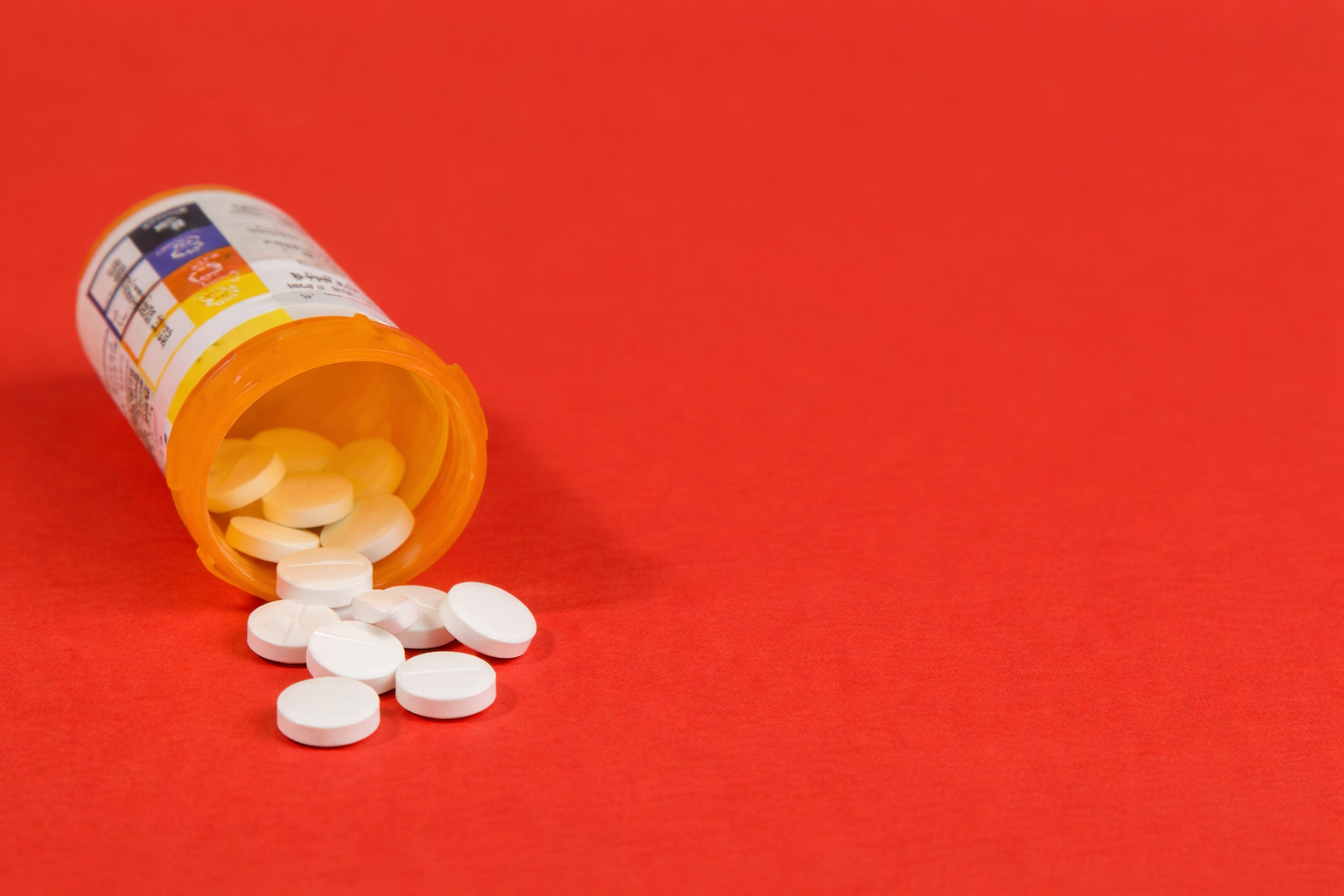
People search Escapelle UK when they need fast, practical information after unprotected sex or contraceptive failure. They search femiwash for a completely different reason, usually around intimate hygiene. These two things sit in the same search universe sometimes, but they do not do the same job at all. In the UK, levonorgestrel emergency contraception needs to be taken within 72 hours after sex, and the sooner it is taken, the better it works. That part matters a lot more than people think in the moment.
One is emergency contraception, and one is hygiene
This is the first thing worth clearing up. Escapelle UK points toward emergency contraception, while Femiwash is about external intimate cleansing and comfort routines. An intimate wash is not contraception, and it does not reduce pregnancy risk after sex. NHS guidance on emergency contraception focuses on pill timing and the copper IUD, not hygiene products, because these are separate issues with separate uses. Mixing them together usually creates confusion, especially when someone is already stressed and looking for a quick answer.
Timing in the UK matters more than brand familiarity
A lot of people focus on names first, but timing is the bigger issue. NHS guidance says levonorgestrel emergency pills used in the UK need to be taken within three days, which means 72 hours, after unprotected sex. It also says they work better the sooner they are taken. So if someone is typing escapelle uk, the practical concern is access and speed, not just the brand term itself. Delaying while reading too many mixed product pages is usually not the smart move here.
The copper IUD is still part of the conversation
People often search for the pill and stop there. NHS guidance says a copper IUD can be fitted within five days after sex and is the most effective form of emergency contraception. That does not mean the pill is unhelpful. It means there is more than one option, and the best choice can depend on timing, cycle details, and access to care. So escapelle UK searches should really lead people toward proper advice when things feel borderline or unclear.
Femiwash should not be treated like a medical shortcut
This part needs to be said plainly. Femiwash may be used by some people as part of external washing, but it is not a workaround for emergency contraception, and it does not change what someone should do after unprotected sex. More importantly, intimate wash products should not be assumed to solve irritation, discharge, or other symptoms that may need proper medical assessment. A hygiene product and an emergency pill belong in very different boxes, even if both show up in personal care searches.
After the pill, there are still follow-up details
People sometimes think that taking the tablet ends the whole situation. Not quite. NHS and NHS trust guidance notes that levonorgestrel emergency contraception does not protect against sex later in the cycle, and vomiting within three hours of taking it means someone should contact the clinic or pharmacy for advice. Leaflets also say the next period may be a bit early or late. These are small details, but they matter in real life.
Conclusion
The easiest way to think about this topic is to stop treating everything in the intimate care space as if it belongs together. On pistil.io, it helps to separate escapelle UK from femiwash and look at each one for what it actually does. One is about time-sensitive emergency contraception in the UK, and the other is a hygiene-related product category that does not prevent pregnancy or replace medical advice. Read the product information carefully, act quickly if emergency contraception may be needed, and speak to a pharmacist or clinician for proper guidance when the situation feels urgent or uncertain.
